top of page

Cutting Refund Losses: Detect Forged Invoices in E Commerce and Fake Receipts

Sep 8, 2025

- Team VAARHAFT

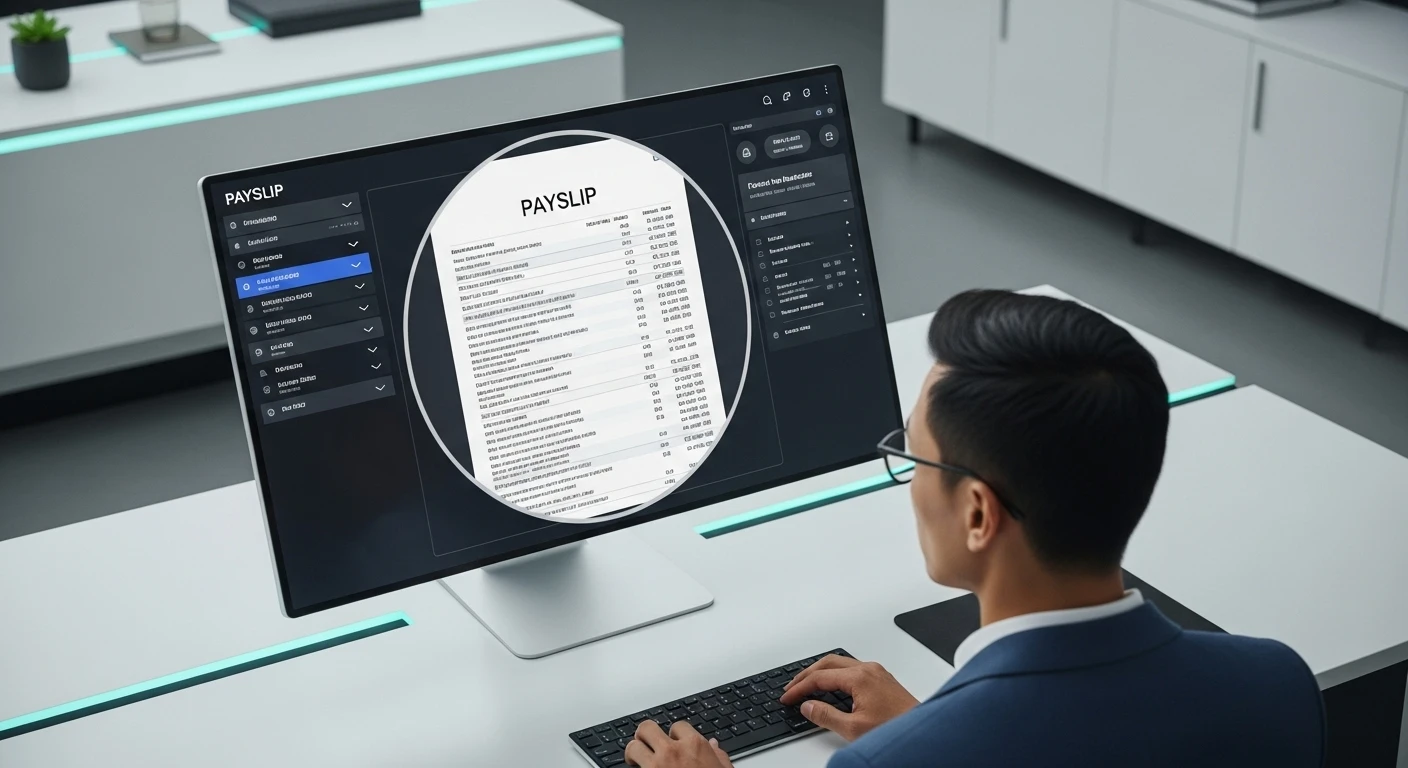
Modern desktop scene with digital invoice under scrutiny, highlighting e-commerce fraud detection, emphasizing precision and vigilance.

(AI generated)

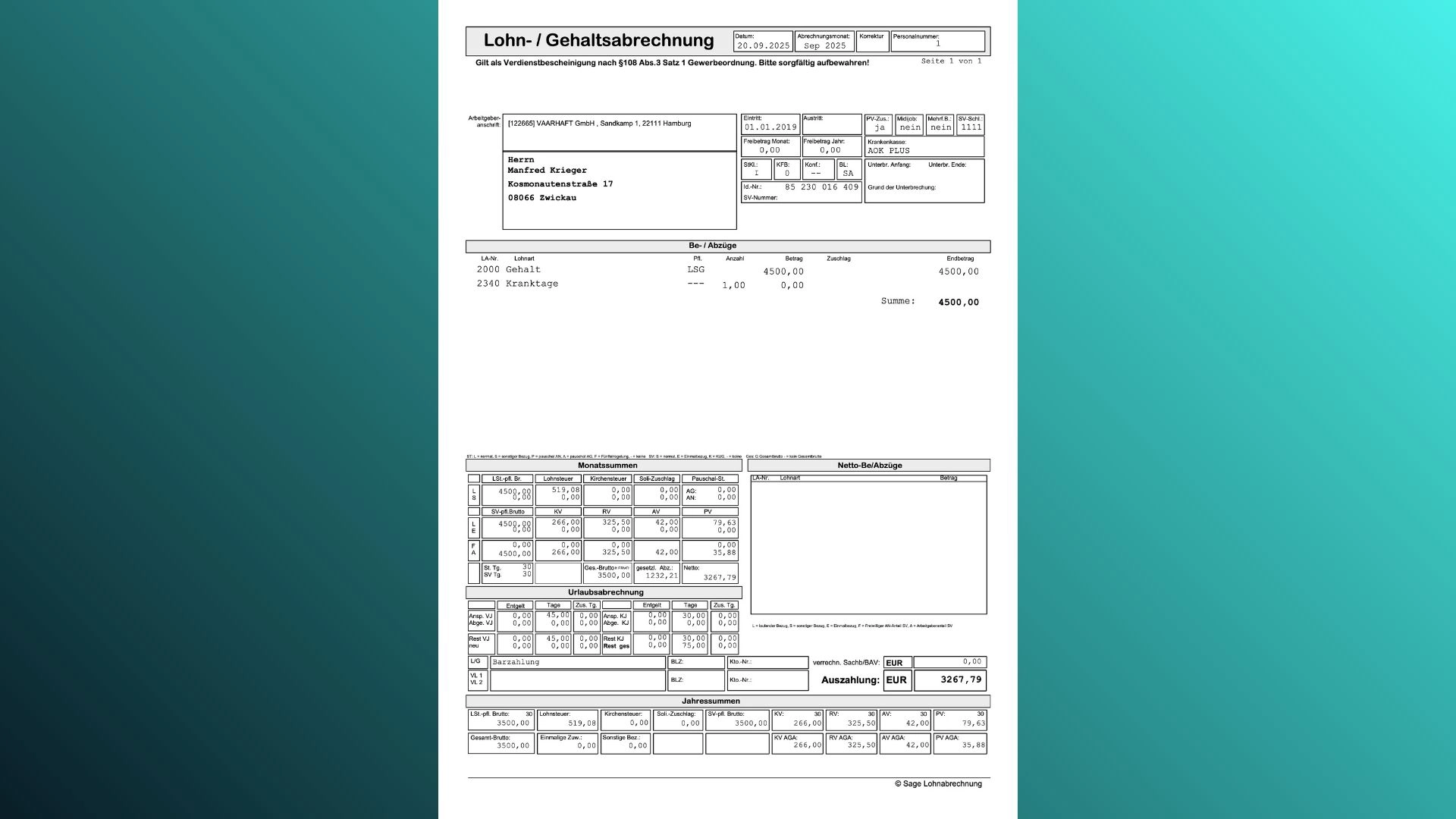
Online retailers have never moved faster. Same-day shipping and instant refunds are now baseline expectations, yet the very processes that delight honest shoppers create a soft underbelly for document-based fraud. Fake receipts, tampered PDF invoices and manipulated return labels slip into customer-service queues in volumes that overwhelm manual review. The cost is measurable in both cash and customer trust.

A July 2025 investigation by cybersecurity firm Group-IB exposed “MaisonReceipts”, a fraud-as-a-service platform that sells authentic-looking receipts for more than twenty global brands at only €16.99 per month and advertises its tutorials to over 30 000 Discord members. This incident illustrates a trend: criminals are industrialising document forgery to short-circuit legitimate refund workflows.

This article offers a practical blueprint to detect forged invoices and fake receipts in returns, catch tampered PDF invoices, and build a modern document authenticity check without suffocating the customer experience.

Why document forgery is the new favorite weapon in return abuse

The golden rule of fraud is economic efficiency. Forgers want the highest payout for the lowest effort, and digital documents hit the sweet spot. Screenshots cost nothing, PDF editors are ubiquitous and AI tools can now generate synthetic invoice templates that replicate company branding down to the kerning. Criminal communities package these assets into ready-made kits, turning return fraud into an entry-level crime.

Four pressure points in the typical returns journey explain why losses escalate:

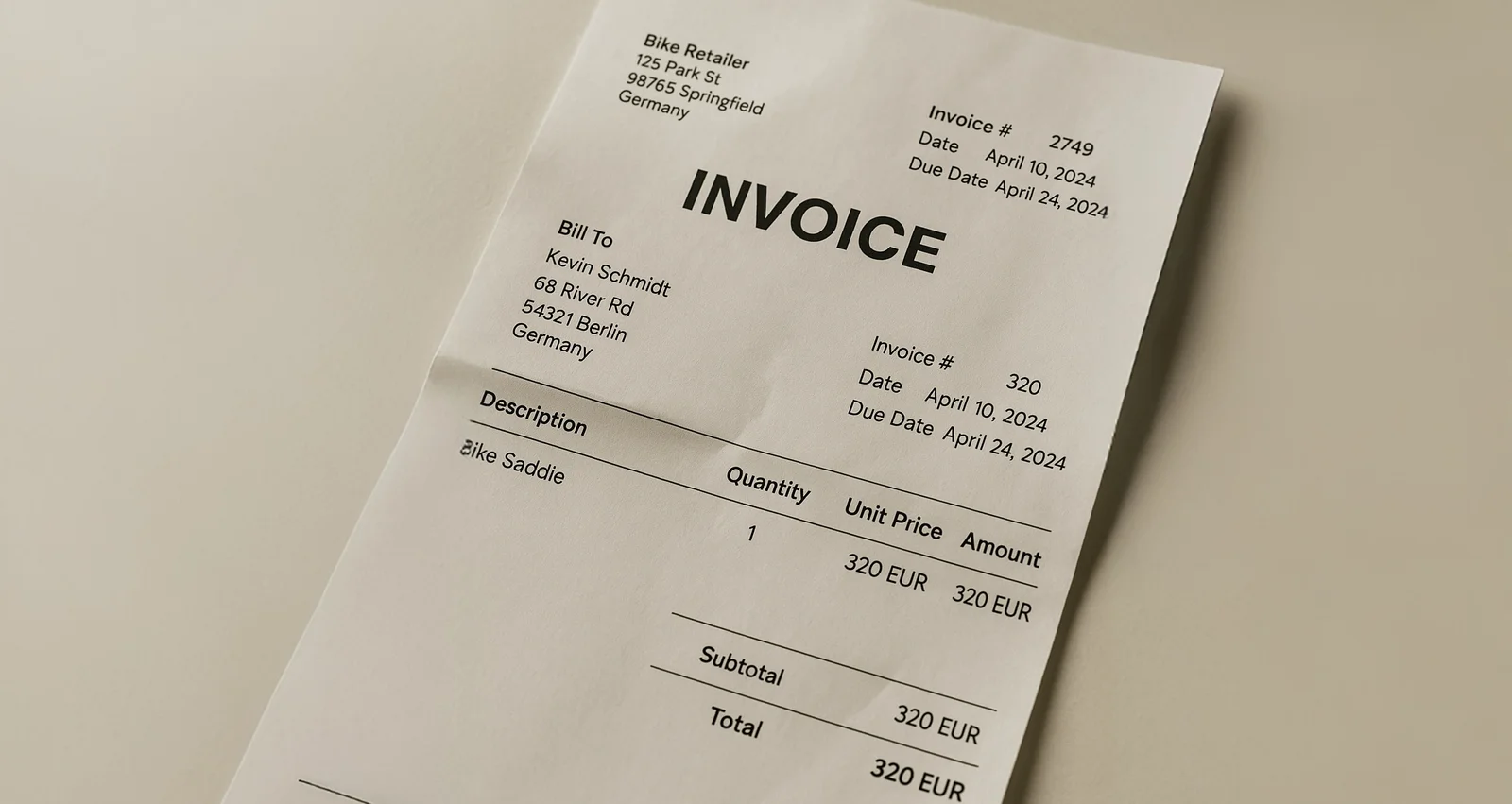
  • Intake portals accept files without authenticity checks, so a tampered invoice arrives, metadata stripped or faked, and no automated gatekeeper notices.
  • Customer-service agents judge invoices by visual clues alone. Minor spelling errors or mismatched shadows often pass unnoticed when performance metrics reward speed.
  • Refund systems disburse funds immediately. Some marketplaces promise money back within minutes of label creation, long before any warehouse receives goods.
  • Chargebacks arrive weeks later. Issuers claw funds back long after the refund, yet the original fake receipt has vanished into a ticket archive.

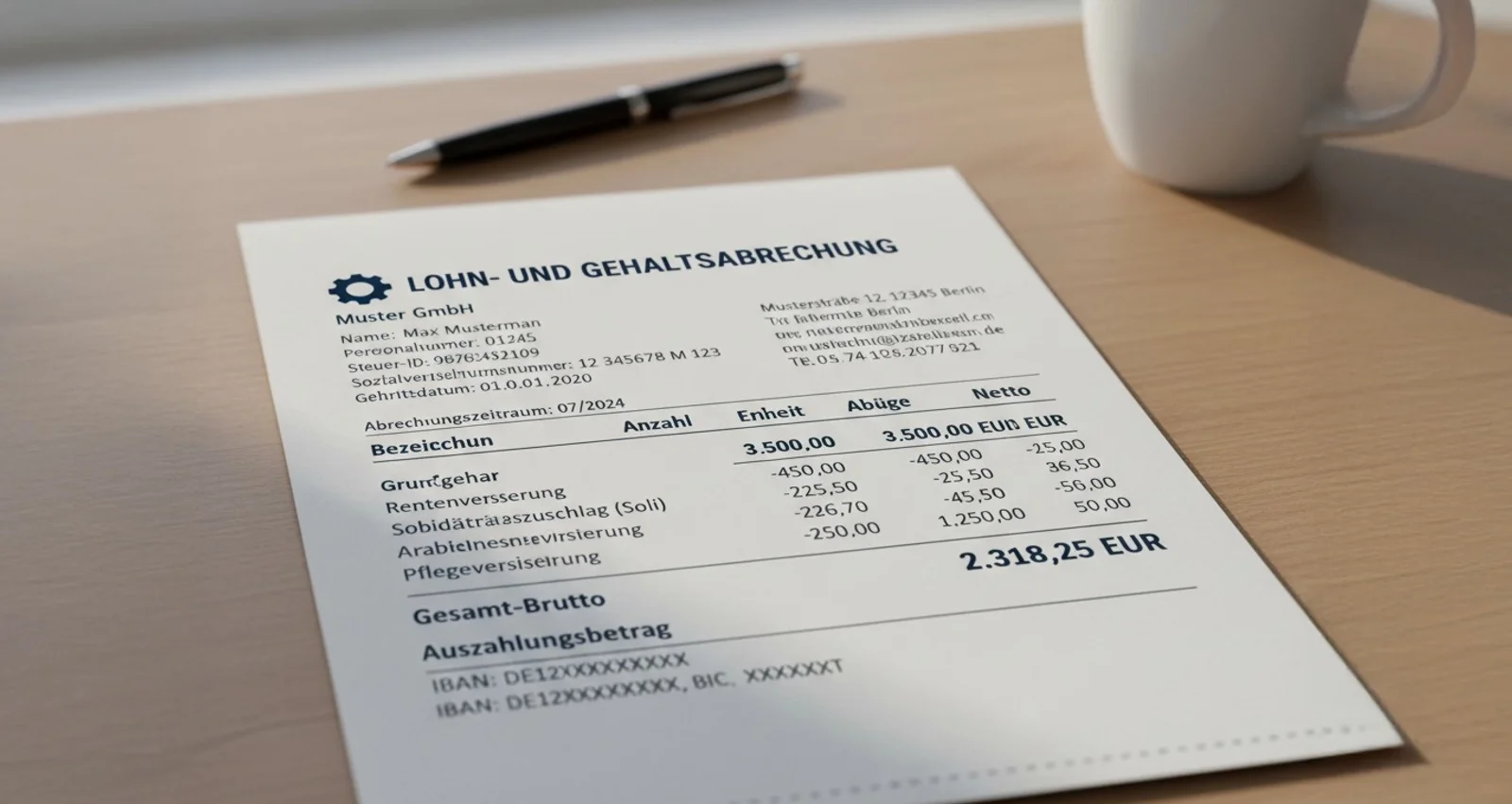
These weaknesses invite every flavour of deception: forged repair receipts for insurance add-ons, manipulated cost-estimate documents inflating damage value, synthetic invoice fraud exploiting buy-now-pay-later schemes and even fake return labels that reroute packages to drop sites.

Signals that expose a fake invoice or receipt

Document forgery detection relies on optical, textual and contextual clues. No single indicator proves fraud, yet clusters of anomalies turn probability into near certainty. Leading fraud teams focus on five categories:

Image and pixel analysis. Inconsistent compression, duplicated artefacts and mismatched lighting on logos betray pasted edits. A new price pasted onto a genuine invoice leaves sharper pixel edges than the surrounding background.

Metadata consistency. Original invoices are batch-generated by ERP systems and embed predictable producer tags. A document edited in Photoshop or captured as a mobile screenshot reveals tool signatures that do not match the merchant’s own pipeline.

OCR versus layout. Optical character recognition extracts text that can be compared with expected fields. If the layout matches a known template but numeric values fall outside inventory or tax ranges, tampering is likely.

Cross-document duplication. Fraud rings repeatedly submit the same document with minor edits. A duplicate check that fingerprints files rather than storing them detects reuse across multiple accounts while preserving GDPR compliance.

Behavioural context. Legitimate buyers rarely file two refund requests within twenty-four hours, yet synthetic schemes automate multiple submissions to maximise return. Combining document evidence with behavioural anomalies raises confidence.

Building an authenticity layer without adding friction

Retailers cannot solve the problem with extra manual steps alone. A sustainable defence merges automated document analysis with adaptive escalation so that honest shoppers glide through while suspicious cases face a deeper check. The following four-stage blueprint keeps friction proportional to risk:

Harden file intake. Accept only PDF or live-captured images and reject files that lack embedded metadata. Auto-route every upload to an AI engine that specialises in tampered PDF invoice detection. Vaarhaft Fraud Scanner is one example: it flags edits, highlights them with a manipulation heatmap and checks metadata alignment before the ticket reaches an agent.

Layer analysis modules. Combine OCR extraction with pixel and metadata checks for a holistic view. A forged repair receipt used in an insurance claim might pass OCR validation yet fail pixel forensics when the tax line shows incompatible blur levels.

Cross-enrich with business data. Feed the extracted invoice number into order systems to confirm it exists. Compare claimed serial numbers with inventory logs. Mismatches become immediate gating factors.

Escalate through live recapture. When uncertainty remains, request the customer to retake the document and item via a secure web camera. Vaarhaft SafeCam delivers this as a browser-based session that detects picture-of-a-picture attempts in real time.

Measuring success and staying ahead of synthetic invoice fraud

Return fraud is not a static adversary. Fraud-as-a-service communities iterate faster than corporate risk committees, which means success metrics must emphasise learning as well as precision. Mature programmes track three horizons: immediate precision, feedback-loop velocity and ecosystem signals. For a deeper dive into provenance metadata’s role, see our analysis of the C2PA standard here.

Below are key checkpoints to install in the next quarter:

  • Activate an automated document authenticity check for invoices at the upload stage.
  • Map refund policies to risk levels; instant payouts require deeper verification.
  • Run duplicate scans across historical claims; reuse signals organised fraud.
  • Train agents to recognise heatmap evidence of tampering and include it in quality reviews.
  • Integrate live image recapture for high-risk segments using a browser-based camera flow.

Retail teams already combating synthetic product images will recognise the pattern. Complementary tactics are outlined in our post on image fraud in e-commerce.

Outlook for 2026 and beyond

Generative AI with the capability to forge realistic looking documents and invoices is already available (for further information also see Fake Invoices and Receipts Made Easy with ChatGPT‑4). But AI might soon also produce region-specific invoices with cryptographic signatures, regulators will tighten requirements through packages such as EU VAT in the Digital Age and consumer patience for cumbersome returns will continue to shrink. Forward-looking leaders are already coupling document analysis with behavioural scoring, linking refund decisions to provenance data and implementing privacy-first recapture flows. An authenticity layer that blends AI-powered forgery detection, metadata analysis and user-friendly escalation keeps revenue safe without eroding customer loyalty.

Ready to see how a metadata-smart authenticity check fits into your returns flow? Request a short walkthrough with our specialists or explore additional resources on our website. Your next refund decision could depend on it.

bottom of page